As energy prices continue to rise, more homeowners and businesses are switching to solar energy to reduce electricity bills and promote sustainability. Among all solar solutions, the on-grid solar system is the most popular and practical choice. It allows you to use solar power during the day and export excess energy to the electricity grid, helping you save and even earn money.
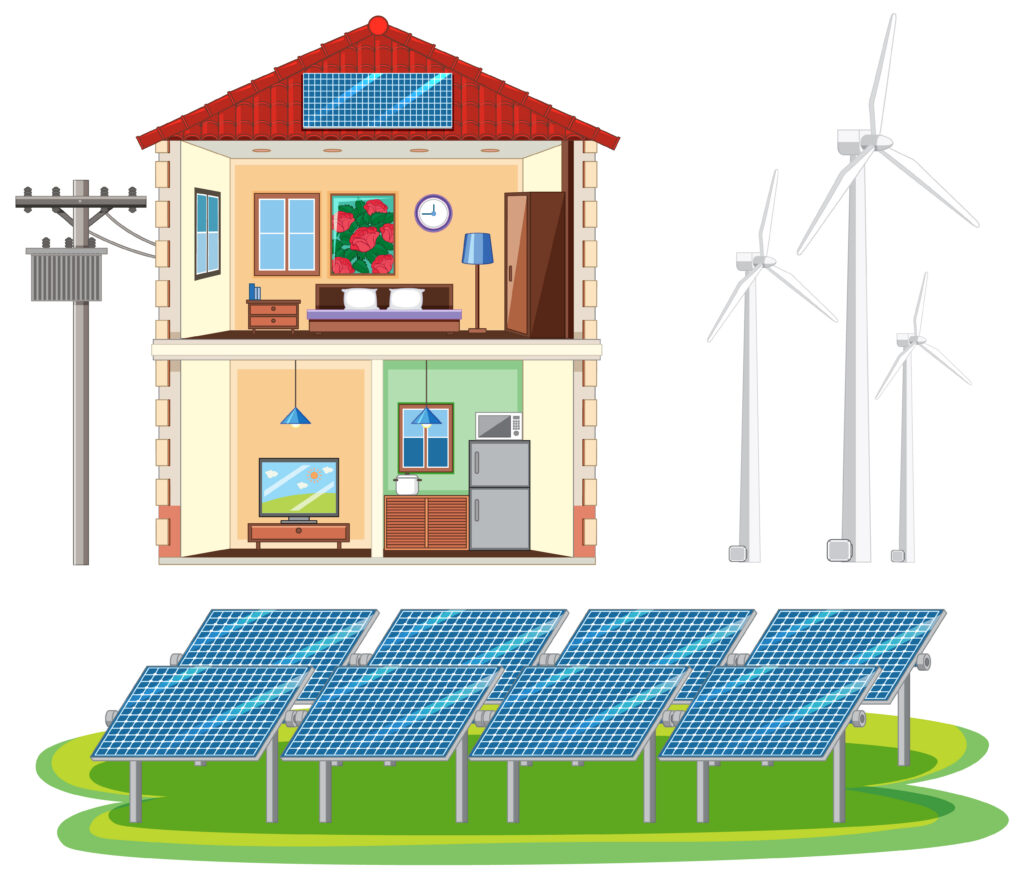
An on-grid solar system, also known as a grid-tied solar system, is directly connected to the government electricity grid. It consists of solar panels, an on-grid inverter, and net metering. During the day, solar panels generate electricity using sunlight, which powers your home or office. If your system produces more power than you consume, the extra electricity is sent back to the main grid.
Through net metering, the power company credits you for the exported energy, reducing your monthly electricity bill. However, at night or during cloudy weather, when solar generation is low, the system automatically draws power from the grid.
An on-grid solar system is a smart, cost-effective, and environmentally friendly way to manage energy. By using solar power and connecting it to the main grid, you not only reduce your electricity bills but also contribute to a greener planet. With proper installation and maintenance,
An on-grid solar system, also known as a grid-tied solar system, is directly connected to the government electricity grid. It consists of solar panels, an on-grid inverter, and net metering. During the day, solar panels generate electricity using sunlight, which powers your home or office. If your system produces more power than you consume, the extra electricity is sent back to the main grid.
Through net metering, the power company credits you for the exported energy, reducing your monthly electricity bill. However, at night or during cloudy weather, when solar generation is low, the system automatically draws power from the grid.